Monday, 23 August 2021

Lupine Publishers | Subjective Well-Being Among Elementary School Teachers and its Related Factors: Taking Guangdong Province as an Example

 Lupine Publishers | Scholarly Journal Of Psychology And Behavioral Sciences


Introduction

Subjective well-being (SWB) can be defined from multiple perspectives. Most researchers agree with the concept put forward by Diener (1984) and believe that subjective well-being is an individual’s overall assessment of their quality of life according to their own standards.

Which includes the following three aspects:

a) Cognition and evaluation of their own quality of life (i.e., life satisfaction); and

b) Positive emotions include happy, meaningful life, full of spirit and other emotional experience.

c) Negative emotions include anxiety, depression, sadness, loneliness, boredom and discomfort and other emotional experience, but not affective disorder and neurosis.

It can be seen that subjective well-being has the following three basic characteristics:

a) Subjectivity: The evaluation of subjective well-being mainly depends on the standards set by oneself rather than the external standards, so subjective reporting method is often used to evaluate.

b) Integrity: subjective well-being reflects the overall subjective quality of life of the individual.

c) Relative stability: subjective well-being does not change significantly with the passing of time or the general change of environment [1].

Primary school teachers have made important contributions to China’s basic education, trained generations of children for millions of families, and provided batch after batch of reserve talents for the society. However, due to various factors, the subjective wellbeing of primary school teachers is relatively low, which affects the work enthusiasm and effectiveness of primary school teachers to a certain extent [2-3]. In recent years, with the implementation of a series of national basic education policies and the improvement of the developmental environment, the subjective well-being of primary school teachers has attracted more and more attention from all walks of life. There is few domestic research on the factors influencing the subjective well-being of primary school teachers. Most of the previous research focus on limited two or three factors, and the factors involved are different [2-3]. It is unable to systematically reveal the influencing factors and the mechanism of the subjective well-being. Based on the above analysis, this study intends to adopt a large sample multi center empirical research to systematically expound the status and various influencing factors such as the demographic factors, teaching related factors and personal factors of primary school teachers’ subjective well-being.

Object and Methods

Object

Sample size estimation

the minimum sample size is calculated by g.power3.0 [4]. This method needs to be based on the incidence, but subjective well-being is a continuous variable, only with high and low points, without whether or not points, so cannot directly use subjective well-being to calculate the sample size. As depression is a common psychological disorder, which plays an important role in predicting subjective well-being, so we use the prevalence rate of primary school teachers’ depression to calculate the sample size. Previous studies showed that the incidence rate of depression among primary school teachers in China was 7.70% to 57.60% [5- 8], and the median test effect was d, which was 0.50 to 0.80 [9]. In this study, the effect value d = 0.70, the statistical test power 1 - β = 0.80, and the class I error probability α = 0.05 are set. The minimum sample size needed for the survey is calculated as 846. The minimum sample size is determined as 1016 due to a potential loss rate of 20%.

Sampling

By stratified random sampling, a total of 1400 primary school teachers were selected from Shenzhen, Jiangmen, Zhuhai, Shanwei and Zhanjiang from April 2020 to May 2020. Inclusive criteria: over 20 years old, normal spirit and intelligence, more than 1 year of teaching in primary school. Exclusion criteria: those who could not complete the scale due to serious physical diseases, mental disorders and other reasons. In fact, 1368 people met, with a visit rate of 97.7%. Among them, 9 (0.6%) were positive by mini mental state examination (MMSE) and 76 (5.4%) were not willing to cooperate with the survey. A total of 1283 people completed the survey, and the effective rate was 91.6%. Among them, there were 361 from Shenzhen, 418 from Jiangmen, 206 from Zhuhai, 102 from Shanwei and 196 from Zhanjiang; the average age was (33.8 ± 10.6) years old; 318 from 20 to 30 years old, 354 from 30 to 40 years old, 327 from 40 to 50 years old and 284 from 50 to 60 years old; 485 unmarried, 257 divorced, 48 widowed and 493 married; 337 from senior high school or technical secondary school, 439 from junior college, 473 undergraduates and 34 with master’s degree; 853 from city or town, 430 from rural; 417 substitute teachers and 866 teachers in the personnel establishment.

Tools

Subjective well-being scale (SWBS)

It includes two parts: Life Satisfaction Scale and Emotion Scale. Subjective well-being level (SWB) is the score of life satisfaction plus emotional balance.

Satisfaction with Life Scale (SLS)

It is compiled by Diener (1985) [10] and used to evaluate the satisfaction with oneself’ s life and the closeness to his (or her) ideal life. SLS includes five items. The likert 7-point scoring method is used to score from 1 to 7 points corresponding to “strongly against” to “strongly for”. The higher the total score, the higher the degree of life satisfaction. In this study, the cronbach’a coefficient of the scale is 0.824.

Affect scale: positive affect, negative affect, affect balance (AS)

It is compiled by Bradburn (1969) and revised by fan Xiaodong into Chinese version [11], which is used to assess the emotions and life evaluation of the general population in the past few weeks. There are 10 items, which are divided into three dimensions: positive emotion, negative emotion and emotional balance. If the answer is “yes” to the positive emotion item, 1 point will be scored; if the answer is “no” to the negative emotion item, 1 point will also be scored. The emotional balance is calculated by subtracting the negative emotional score from the positive emotional score and adding a coefficient of 5. In this study, the cronbach’a coefficient of the total table is 0.886, and the cronbach’a coefficient of each dimension is 0.814-0.837.

Test of teaeher competency (TTC)

I it is compiled by Xu Jianping [12] to evaluate the professional competence of primary and secondary school teachers. There are 50 items, which are divided into 10 subscales: personal characteristics (TRI), focus on students (FCN), professionalism (EXP), interpersonal communication (ICO), relationship building (RB), information collection (INFO), professional preference (PP), respect for others (RO), understanding others (UO), lie detection (LIE). The 5-point scoring method is used to score from 1 to 5 points corresponding to “completely inconsistent” to 5 “completely consistent”. The higher the score, the stronger the professional competence. In this study, the cronbach’a coefficient of the total scale is 0.894, and the cronbach’a coefficient of each subscale is 0.815-0.845.

Social support rating scale (SSRS)

it is compiled by Xiao Shui yuan [13] to evaluate the social support and its utilization. There are 10 items, which are divided into three dimensions: objective support (i.e., the actual support received), subjective support (i.e. the support that can be experienced or emotional), and utilization of support (i.e. the active use of various social support, including the way of talking, the way of asking for help, and the situation of participating in activities). The higher the score, the higher the degree of social support. Generally speaking, the total score of less than 20 is to get less social support, 20~30 is to get general social support, and > 30 is to get satisfactory social support. In this study, the cronbach’a coefficient of the total scale is 0.907, and the cronbach’a coefficient of each dimension is 0.830~0.879.

Mini mental state examination (MMSE)

It is also known as simple mental state checklist, compiled by folstein et al (1975) and reviewed by Zhang mingyun[14] into Chinese version, which is the most authoritative cognitive screening scale in the world. MMSE has five items, including time and location orientation, language (retelling, naming, understanding of instructions), mental calculation, immediate and short-term auditory word memory, visual structure imitation, mainly for simple assessment of orientation, memory, language, calculation and attention, etc. the test takes 5-10 minutes. MMSE is simple to operate, and has high reliability, validity, specificity and sensitivity. The total score of the scale was 30, the dividing value was illiteracy group ≤ 17, primary school group ≤ 20, middle school or above group ≤ 24. Cognitive dysfunction existed when the score is below the threshold. In this study, the Cronbach ‘a coefficient of the scale is 0.811.

Self-compiled questionnaire for the related factors of elementary school teachers’ subjective well-being.

The CNKI, Wanfang database, VIP database, Baidu, Pubmed and other search engines are used to search the literatures about subjective well-being among elementary school teachers (206 in Chinese and 13067 in foreign). Based on that, the basic content of the questionnaire is constructed, with a total of 28 items. Combined with the results of 3 collective discussions with 10 representatives of elementary school teachers and 5 experts in the field of elementary education, 4 items were deleted, and 1 items were added. The final questionnaire for related factors of elementary school teachers’ subjective well-being consists of 25 items, including gender, age, teaching age, teaching grade, marital status, how many children do you have, education, professional title, teaching subjects, posts, whether a head teacher, category of personnel arragement, administrative region of school, health, selfstudy, work environment, occupation development prospect, selfevaluation of performance, colleague evaluation of performance, annual income, time to work, rationality of performance evaluation, physical exercise, tourism and so on.

Collection and Arrangement of Data

Before the investigation, the researchers who participated in the survey were trained uniformly, and the investigation process and evaluation standard were unified. The consistency test (kappa = 0.81~ 0.90) met the test requirements. The questionnaires with scores of more than 50% of the items missing were eliminated. The missing values of the valid questionnaires were estimated and filled with the average. Two researchers independently input the same data using Epidata3.0 software and conduct a unified logic check to ensure the accuracy of the data.

Statistical methods

Data was exported from epidata3.0 to SPSS 20.0 for statistical analysis. The main statistical methods include descriptive statistics and multiple linear regression analysis.

Ethical licensing

The procedure of this study is in accordance with the ethical standards set by the ethics committee of Department of Education of Guangdong Province and approved by the Committee.

Results

Descriptive statistics

The total average score of SWB was (-0.05 ± 2.19), and the total average score of TTC and SSRS were (3.73 ± 0.61) and (33.71 ± 5.52), respectively. It shows that the subjective well-being of primary school teachers in this group is on the low side, and their competence is on the high side. They get more satisfactory social support, as shown in Table 1.


Regression analysis

Variable assignment

First, values are assigned to the possible situations (alternative answers) of 25 categorical variables (including demographic variables and psychosocial variables) that may affect the total score of SWB, and the results are shown in Table 2.


multiple stepwise linear regression analysis on influencing factors of SWB score

Taking the score of SWB as the dependent variable and 25 categorical variables, the total score of TTC and SSRS as independent variables, the multiple stepwise linear regression analysis is carried out within 95% confidence interval. From Table 3, it can be seen that the score of SWB is positively correlated with education, category of personnel arrangement, professional title, working environment, career developmental prospect, annual income, selfstudy, health status, total score of TTC and SSRS (β =. 219 ~. 780, all P < 0.05) . Gender, head teacher, teaching subjects, marital status and posts are negatively correlated with the total score of SWB (β = - 0.149~-. 413, all P < 0.05).


Discussion

The score of SWB is (- 0.05±2.19), and the total score of TTC and SSRS are (3.731±0.61) and (71 0 ±5.52), respectively. It is consistent with the results of previous literature [15-18], suggesting that the subjective well-being of this group is low, the competency of teachers is generally in the upper middle level, and they get more satisfactory social support. Multiple stepwise linear regression analysis shows that education, personnel arrangement category, professional title, working environment, career development prospect, annual income, self-study, health status, total score of TTC and SSRS are positively correlated with the score of SWB, while gender, head teacher, teaching subjects, marital status and posts were negatively correlated with the score of SWB.

This study finds that there is a significant correlation between gender and subjective well-being of primary school teachers, which is consistent with the results of Wang Wenting [19], Fu Hongmei [20] and Guo Jing [21], suggesting that gender has an important influence on career, which may be due to the different personality characteristics and career expectation of men and women. Education and self-study are positively correlated with the subjective well-being of primary school teachers. The higher the education level and self-study enthusiasm, the stronger the subjective well-being, which is consistent with the results of Wang Wenting [19]. To a certain extent, the level of education reflects the individual’s intelligence level and working foundation. Those with higher education background and efforts have mastered more professional knowledge and more advanced education and teaching skills and are more likely to be competent for teaching work. With the development of economy and education, the requirement of primary school teachers’ education is higher and higher. In recent years, primary school teachers are required to have bachelor’s degree. Teachers with diploma of secondary normal school or junior college can no longer meet the needs of educational development, which urges the majority of primary school teachers to participate in various kinds of training to improve their academic qualification and professional skills. Therefore, the lower the education level, the greater the pressure of further education and the lower their happiness.

This study finds that the subjective well-being of teachers in charge of a class is lower than that of other teachers, the subjective well-being of primary school teachers who teach mathematics, Chinese, English and other quiz required subjects is lower than that of teachers teaching other subjects, the subjective well-being of teachers in administrative positions is lower than that of other teachers, the subjective well-being of married teachers is lower than that of unmarried teachers. It is consistent with the results of previous research [18-21], suggesting that social role and work pressure affect subjective well-being. Compared with unmarried teachers, teachers who are not in charge of a class, teachers in charge of non-quiz required subjects and teachers who are not engaged in administrative work, married teachers, head teachers, teachers teaching quiz required subjects and teachers who are engaged in administrative work have more heavy tasks, greater work pressure, longer working hours and more dispersion, they not only need to work in school, but also often in leisure time. So, they have less rest and leisure, and are more prone to physical and mental fatigue, thus reducing their sense of happiness. The subjective well-being of the substitute teachers is lower than that of the teachers in the personnel establishment. At present, there are still 3% primary school teachers in China who are substitute teachers. Their situation can be summarized as the following sentences: “they are teachers, but they often have no teacher’s treatment, lack of training leads to insufficient development assistance, unable to make ends meet and have no support for the elderly, and the prospect of hard work is not clear”. This dilemma makes substitute teachers face greater survival pressure in the accelerated development of society [22]. TTC total score and professional title are positively correlated with subjective well-being of primary school teachers, consistent with the results of previous research [2,18]. It is suggested that the professional quality not only affects the work effect of teachers, but also affects the teachers’ life feeling. TTC total score is the subjective evaluation of teachers’ work ability, values and other professional qualities, while the professional title is the recognition of the comprehensive quality of the individual (including the professional and technical level) by the school and society. The lower the total score of TTC, the more the teachers think they are not competent for teaching; the lower the professional title, especially the professional title not corresponding to the teaching age, The more seriously their comprehensive quality (not only the professional and technical level) is not recognized by the work unit and society, which is more prone to frustration, and the job burnout is more easily caused by the feeling of “pay - get imbalance [23]”, thus reducing the subjective well-being.

Health status is a positive predictor of primary school teachers’ subjective well-being, which is consistent with Guo Jing’s [3] and Rory’s [21] research results, suggesting that physiological and mental function play important roles in life experience. Poor health condition can easily cause discomfort and loss of sense of the individual (including physiological and social functions). Because of the high work pressure and less activity, primary school teachers become the high incidence group of occupational diseases, which greatly hinders their work efficiency and quality of life, and easily leads to depression, anxiety and other negative emotions [8], thus reducing subjective well-being. Social support level was positively correlated with SWB score, which was consistent with the previous study [24,25]. Social support has a positive predictive effect on the subjective well-being of different groups [26-27], which is confirmed in this study. Social support is based on sufficient interpersonal understanding and harmonious interpersonal relationship, which not only provides material support and emotional comfort for the parties, but also provides feasible coping methods to help them solve problems, successfully overcome difficulties, reduce the level of physical and mental stress, and maintain mental health and subjective well-being. The career development prospect, working environment, annual income are positively correlated with the subjective well-being of primary school teachers, consistent with the results of zhangguyue and Ren zhengpan [19,28], suggesting that occupational value plays an important role in promoting the subjective well-being. Generally speaking, the higher the social value (being paid attention to by the society), the better the prospect of the occupation, the more comfortable the working environment, the higher the level of welfare and income, the stronger the professional acquisition and subjective well-being [29].

Conclusion

There are many influencing factors of primary school teachers’ subjective well-being, which can be summarized into two categories: one is positive, mainly the living resources and working condition, including material resources, such as income, and spiritual resources, such as social support, education level, etc; the other is negative, mainly the subjective life difficulties, such as staffing constraints, unclear career prospect, poor health, etc.


https://lupinepublishers.com/psychology-behavioral-science-journal/pdf/SJPBS.MS.ID.000207.pdf

https://lupinepublishers.com/psychology-behavioral-science-journal/fulltext/subjective-well-being-among-elementary-school-teachersand-its-related-factors.ID.000207.php

For more Lupine Publishers Open Access Journals Please visit our website: https://lupinepublishersgroup.com/


For more Psychology And Behavioral Sciences Please Click 

Here: https://lupinepublishers.com/psychology-behavioral-science-journal/

To Know more Open Access Publishers Click on Lupine Publishers

Follow on Linkedin : https://www.linkedin.com/company/lupinepublishers

Follow on Twitter   :  https://twitter.com/lupine_online


Friday, 23 July 2021

Lupine Publishers | Tourism and Accessibility: An Integrative Review on Accessibility in Tourism Between the Years 2015 – 2020

 Lupine Publishers | Scholarly Journal Of Psychology And Behavioral Sciences


Abstract

Tourism activity in recent years has undergone countless transformations, these being of a social, cultural and economic nature, making more and more people able to practice tourism. This factor contributed for the tourist trade to expand, causing several segments to appear within the same sector to meet the varied demands of society. This society is also composed of people with disabilities, whether physical, intellectual or sensory, as defined by social and legal parameters. In this north, the tourist activity started to understand these people as individuals deserving to practice and enjoy the services, products, places, spaces and conditions that correspond to the sector. To this end, discussions on accessibility and social inclusion within tourism have become constant guidelines when thinking about offering a quality service that can meet and be accessible to everyone. In this way, the present work aims to carry out a systematic review, literature review on works already published that contemplate the same theme that they bring from a historical show of the accessibility and inclusion of people with disabilities within tourism, up to what has already been aiming to make them feel inserted in this environment, as well as to understand what actually happens in practice when investigating the real practices, adaptations and conditions carried out to assist these people with a disability. Whereby means of a systematization of the chosen works and the theoretical-conceptual framework [1-4]. It is possible to arrive at results that show the reality of the difficulties, barriers that limit the fact that the tourist activity occurs in a way accessible to all who want to enjoy it.

Keywords: Inclusive Tourism; Accessibility; Social inclusion; Disabled people.


Introduction

The tourist activity, over the years has undergone numerous changes and consequently has generated new social, cultural and economic transformations, not only within its sector, but also in the whole of society in order to contribute to its development and growth. Contemporary tourism is understood as a socio-spatial, historical, and cultural phenomenon where the human being is constantly the center of studies that place him as a constant producer of demands in which the tourist activity is sustained when trying to supply them. From this perspective, tourism has gradually moved the economic sector from many spaces in which it is inserted, thus driving changes in different realities. It is worth mentioning that, in addition to this more technical view on the positive aspects of the activity, as it has provided the most diverse audiences, some opportunities to equally enjoy the services, places, spaces that comprise the tourist activity [5]. As a result, the tourist activity started to be divided into several segments so as to be able to meet all the demands that the human being may come to possess. This so-called market segmentation has enabled tourism to develop under the most diverse realities, conditions, particularities, places, spaces, thus, there is Cultural Tourism, Inclusive Tourism, Adventure Tourism, Mass Tourism, Tourism of Business, among others. However, this study is based on the themes of accessibility and social inclusion instilled within the Inclusive Tourism market segment, which in turn seeks to understand and analyze whether within the tourist activity the individual with a disability enjoys these conditions that you are assured. Conditioning also a look at the whole, that is, services, locations, conditions, professionals who seek to develop tourism accessible to all. Since inclusion and accessibility has become an increasingly constant issue within tourism in recent years, due to the countless social, cultural and historical processes that are experienced. Above all, that more and more people with disabilities have sought to enjoy and practice tourism [6]. Thus, studies on this theme perceived an increasing demand to make tourism a practice accessible to all, under the most diverse conditions, thus making it mainly accessible to people who have some physical, sensory or intellectual disability.


Methodology

Thus, to obtain the results, 20 articles can be found as a final sample in the SCIELO and CAPES databases. Having as one of the analysis criteria for the choice of works, keywords related to the research theme, such as “Accessibility”, “Social inclusion”, “People with disabilities”, “Inclusive Tourism” and etc.


Results and Discussion

As it is a table with a large number (20) of author contributions, to better understand and analyze the chosen works, it was decided to bring in a category the “Main Outcome” as a way of understanding what the work brought as contribution within the researched area [7-12]. It was also decided to place a category with the “Type of Study” to better understand the way in which a given research took place within the proposed theme, as an example of this [5], whether it took place in qualitative or quantitative format, which directly affects in its relevance to the research field. Finally, the “Magazine and Year of Publication” category comes to provide support and consistency through the position of importance of each magazine that published a particular research, thus adding it, a significant weight and veracity to the development of this research. This separation allowed a broader vision in the contribution that each research brought in relation to its place of speech, when working with tourism and its market segmentation, being this, the practice of accessible tourism, or even bringing in its core the themes of social inclusion, accessibility and how these are arranged within society and its spaces, thus giving a clearer view on how they are placed in theory (laws, norms, criteria, means of incentive) and in practice ( adaptation of tourist places, training and qualification of people). Another pertinent observation is the importance with which the topic has been dealt with in the last 05 (five) years, as the publication of related articles on accessible tourism has been constant [13-17], not only those that are under analysis here, and these have an existing standard of analysis, which is based on mostly qualitative, descriptive-exploratory research and literature review, thus showing a concern about what is within the studied area between discoveries and achievements, as well as currently the question in practice [1,4,11]. Therefore, in this context it was possible to understand the relevance with which the themes that encompass Accessible and inclusive Tourism in all its dimensions and perspectives have been dealt with through publications that show the practice and theory, the possibilities and obstacles, as well as what if there is infrastructure and resources currently available for this practice, how can we still go on to achieve an excellent service to be offered to people with a disability?


Final Considerations

Addressing the literature review in this research as a methodological and analytical tool made it possible to concatenate what has been idealized, discussed and put into practice with regard to the themes of social inclusion, accessibility within tourism, with regard to people with disabilities. disabilities and their needs to be integrated within the tourist activity in recent years, especially between the years 2015 and 2020. Initially, the study was guided by a presentation of how people with disabilities are seen and supported and by society, by virtue of its norms [18-21], laws, plans and projects, showing a dimension much larger than what was thought about the importance of debating the theme. With this, this review showed that people with disabilities, be it physical, sensory or intellectual, have achieved great achievements in relation to their insertion in the most diverse spaces of society, mainly within the tourist activity, highlighting the effort of elaboration and performance of managing bodies, such as the UN, OMT, EMBRATUR, Invir. Tur among others. With the main objective of enabling the disabled person to enjoy, reach, move autonomously and safely through these diverse spaces. In relation to inclusive tourism, as a demand identified by the activity sector, it was understood that any way or form of doing tourism should be accessible to everyone, thus breaking with conceptions that inclusive or accessible tourism tends to be totally different spaces from those that already exist, when in fact these spaces that already exist or are being created are enough, be adapted for this public to be able to move freely with the others, because they do not want to feel separated from the “nondisabled”, but included in the middle their.


Conclusion

Another pertinent position within this research is built based on the social reality that the world experiences, especially Brazil in relation to the Covid-19 virus, which brought a devastating scenario of deaths and fears to society, impacting several sectors within the most diverse spheres (social, cultural and economic), and mainly the tourist activity that is threatened in face of this pandemic. The research developed to understand how this happened, and how to solve this problem has been very difficult, especially the search for a vaccine that can contribute to the fight against Covid-19. Thus, there are researchers new spaces to research the impacts of the pandemic within the tourism sector and mainly to understand the social impacts that it has caused on people’s lives, especially those with a disability [22-24]. Finally, in view of all the assumptions presented in this work regarding the insertion of people with disabilities in the tourist environment, this leads us to have a critical and assiduous look with regard to the elaboration / development / creation or even adaptation of spaces already existing, whether for the purpose of tourist visitation or not, within the municipality of São Bernardo-MA, have accessible conditions for these individuals to feel inserted. Bringing through other research bases on what is done and ensured by law for the existence of accessible tourism for all and how this trajectory took place, so when considering the implementation of a tourist activity in São Bernardo, these conditions can make part of all stages of this process.

 https://lupinepublishers.com/psychology-behavioral-science-journal/pdf/SJPBS.MS.ID.000206.pdf

https://lupinepublishers.com/psychology-behavioral-science-journal/fulltext/tourism-and-accessibility-an-integrative-review-on-accessibility-in-tourism.ID.000206.php

For more Lupine Publishers Open Access Journals Please visit our website: https://lupinepublishersgroup.com/


For more Psychology And Behavioral Sciences Please Click 

Here: https://lupinepublishers.com/psychology-behavioral-science-journal/

To Know more Open Access Publishers Click on Lupine Publishers

Follow on Linkedin : https://www.linkedin.com/company/lupinepublishers

Follow on Twitter   :  https://twitter.com/lupine_online

Friday, 9 July 2021

Lupine Publishers | Human, Evaporation, Circle, Climate

 Lupine Publishers | Scholarly Journal Of Psychology And Behavioral Sciences


Abstract

Water has been created and accumulated on Earth for millions of years. The quality of water, its structure and its very purpose have evolved along with biota (a community of plants and living organisms). Water is one of the main driving forces of biota, as well as the environment itself. Just like the circulatory system in the body, water brings nutrients to every living cell. The extraction of minerals and fertilizers from the bottom and banks of rivers and underground canals and their delivery to plants and animals is the most important link in the transformation - in a single process of the water cycle. The process of transferring substances is similar to the movement of air through organisms - it delivers oxygen, carbon dioxide and leaves the body with processing waste in a different form. Also, water, as a vehicle, delivers solutes to living cells and exits with other liquids and gases. The quality of exhaled moisture and waste is purely individual, both within species and between species of biota. Organisms and plants emit different waste products throughout the day and through life. This waste is an integral part of the same cycle of water and life on the planet.

Keywords: Artificial evaporation; Water cycle; Biota; Cycle links; Water transformations; Aqueous solution; Transpiration; Respiration; Sedimentation; New substance; Climate change.

Introduction

New qualities of the released moisture are necessary for the existence of the biota. We are convinced of this when we smell flowers, see hunting animals, receive analyzes of our waste from laboratories. Waste moisture evaporates and forms a substance in every area. Mixing and concentrating in large volumes in the atmosphere, this substance provides, for centuries, an algorithm for the formation of precipitation, and their movement, distribution over territories and precipitation in certain volumes at a certain time. It is not just that the tropics and shrouds, forests and deserts, mountain and polar glaciers were formed. All this - the regularity, volume and quality of precipitation on each spot of land were created consistently and purposefully for many millions of years. All the planet’s vapor can be conditionally divided into 2 parts - vapor from natural water surfaces - oceans, seas, lakes, rivers and vapor from biota. Historically, a certain balance of their volumes was formed at a given time and in a given place. It doesn’t matter in what ratio. This balance stabilized itself and created life itself on the planet in a wide variety of natural conditions. A quarter of the entire surface of the planet is land. The widespread notion that the seas and oceans, which cover 3/4 of the entire planet and therefore evaporate most of the water, is a myth. It was found that if we sum up the transpiration surface of all vegetation, then the area of evaporation from land becomes equal to the area of the entire surface of the oceans - https://vuzlit.ru/984043/transpiratsiya#597 : “The area of all leaves is 3-4 times larger than the area of the entire land, that is, in size it is not less than the area of the World Ocean ”. To this should be added also 20 tons of underground living creatures per hectare. There are still animals on the surface of the earth, each unit of which drinks water and releases liquid waste.

According to: http://www.kazreferat.info/read/antropogennoe- vozdeystvie-na-gidrosferu-normirovanie-ioniziruyuschih- izlucheniy-OTc0ODk= it was found, “... that each ton of oil covers a thin film of about 12 km2 of the water surface. According to experts, 1/5 of the water area of the World Ocean is already polluted with oil. The oil film disrupts the processes of photosynthesis and, consequently, gas exchange between the hydrosphere and the atmosphere. « Evaporation, as an element of gas exchange, also stops. These two circumstances should correct our understanding of the ratio of evaporation from the oceans and from land. Even if we assume that the areas of evaporation are equal, then we can conclude that the volumes of evaporation should also be equal. Evaporation from land is quite significant in the total volume of evaporation (Figure 1). It is assumed that evaporation from the surface of oceans and water bodies is less diverse in quality and rate than evaporation from land. Evaporation from the surface of water bodies should have approximately the same structure, uniformity, quality regardless of the geographical location. The quality, quantity and rate of evaporation are the main components of the processes of precipitation formation and the entire water cycle. Regardless of the ratio of the volumes of vapor of these two types, their bouquet formed a certain substance of moisture in the atmosphere, which created life in all areas. With the advent of man, evaporation from land began to change. The first intelligent creature on the planet began to use water not only for drinking, but we also began to exploit water, turning it into a working body - the simplest free remedy from nature as a vehicle, a carrier of heat, energy, feces, driving force of hydraulic turbines, a means of washing, cooling , comfort, dissolution. According to information from http://www. erudition.ru/referat/ref/id.48920_1.html, it is known that every year people are irretrievably taken from rivers and lakes of about 2000 cubic meters. kilometers of fresh water, which is about 5% of the flow of all rivers in the world. It is driven through pipes and canals, watering monocultures, washing and drying everything that surrounds us and ourselves. Everything that evaporates after such use - from plowed fields, surfaces of reservoirs, evaporators and coolers of power plants, from sewerage tanks, from towels, wet plates - evaporates into the atmosphere without natural changes. Such fumes are not foreseen by nature - they are unnatural. This part of the water falling on land has not fulfilled its main purpose. Nutrition was not delivered to living cells, the path of natural transformations when moving on the soil was not passed, the time of its stay on the ground was reduced. As she came from the sky, she went back. There are already few biota left on the earth - only 30 percent of the entire land area. We have destroyed all the living creatures under arable land, dumps, asphalt, reduced it by felling and water reservoirs. In pursuit of comfort, we have reduced natural processes. Rivers, straightened and lined with concrete and stones, lose contact with the soil - the function of extracting minerals. Water loses its purpose, it has become just a liquid, a commodity, a means of production, a carrier of dirt and feces. Based on such facts, we can safely assume that, when water evaporates, which has not fulfilled its natural functions, the quality, volume and rate of evaporation should change. Evaporation new to nature can be called artificial. Each action must have its own counteractions and consequences. A change in the conditions of evaporation led to a change in the evaporation itself and should lead to a change in the subsequent link in the circuit of the circuit. The composition, structure, properties of vapors depend on the quality of the supplied material. It is assumed that the difference in the vapors of these two species should be very different from each other. This assumption can be confirmed by modern medicine. Analysis of human secretions, as one of the subjects of nature, to determine his health shows the difference between sputum, urine, blood, smears, exhalation of a healthy person from an unhealthy person. If the evaporation of waste is different for each subject of the biota, then they are different for each unit of a living being and a plant. From mosquito, blade of grass, microbe to elephant and crocodile. And, of course, the differences should be more striking when compared to fumes from asphalt or wastewater. If this is really the case, then the conclusion suggests itself that different vapors must create different substances in the atmosphere. We have changed the sources of fumes and increased their quality, quantity and volumes, and they become comparable or competitive with the volumes of natural fumes.

Figure 1: Community of plants and living organisms.

Lupinepublishers-openaccess-journals-psychology-behavioral-science

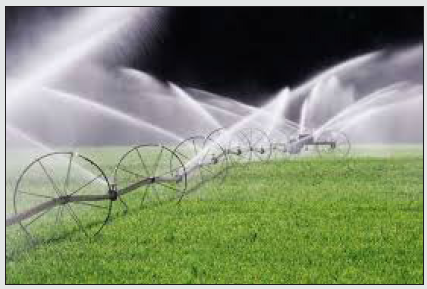
Artificial evaporation is a new link in the circuit of the circuit and cannot be included in the categories of evaporation from water bodies and evaporation from land. Such fumes are not created by nature, their volumes are growing every year and every day. In developed countries, a person spends 200 - 300 liters per day. Nature provides for humans - only 2 - 3 liters - only for ingestion. Everything else is the exploitation of water for comfort purposes. Water gives us energy, warmth, means of washing. Without water, we cannot produce a single item. So, the manufacture of each product requires water consumption. For example - https:// ecology.md/ru/page/rashod-vody-na-proizvodstvo-produkto : for the manufacture of products such as: Rice - 3400 liters of water per 1 kg. The cultivation of 1 kg of wild rice requires an average of 2400 liters of water, further industrial processing requires another 1100 liters. Rice fields around the world consume about 1350 billion m3 of water annually - 21% of the total water consumption for growing crops. Beef - 4500 liters of water per 1 steak A cow is raised before slaughter for 3 years, from the carcass about 200 kg of boneless meat is obtained. During her life, she eats 1300 kg of grain and 7200 kg of roughage, drinks 24 m3 of water, another 7 m3 is spent on keeping it clean. Total water costs - 3 million 1500 liters of water. Passenger car - 147,972 liters, car tires - 1960 liters, 1 barrel of beer (121 liters) - 5678 liters, 1 ton of steel - 234696 liters. The tremendous growth of new technologies with the exploitation of water increases the volume and speed of artificial evaporation, and, as a result, the volume and speed of the cycle between the soil and the atmosphere. Look at just one industry of kid’s water toys or sprayers. The impact on individual links of the water cycle in significant volumes destroys the natural process. The type, volume and rate of transformations from liquid to gaseous and solid creates other processes, accumulation of moisture in the atmosphere and precipitation. The volumes of artificial and natural evaporation have never been counted, but it is possible. Historically, the stability of the quality and amount of precipitation has provided comfort conditions for each zone. Now this stability is being destroyed. The speed and frequency of circulation between the atmosphere and the soil are visible from regular reports and chronicles of floods and fires, which are abnormally large and are abnormally small in different zones of the planet. Their destructiveness and frequency are growing. We regularly hear reports of melting glaciers, snowfalls and flooding in deserts. The geography of precipitation distribution, their volumes and frequency is breaking down. But all is not yet lost. On the basis of the shown assumptions about the change in the circulation, it is possible to create a new concept of the impact or, more precisely, the removal of the impact on the water cycle, which is not too late to apply and save life on the planet for our descendants.


https://lupinepublishers.com/psychology-behavioral-science-journal/pdf/SJPBS.MS.ID.000205.pdf

https://lupinepublishers.com/psychology-behavioral-science-journal/fulltext/human-evaporation-circle-climate.ID.000205.php

For more Lupine Publishers Open Access Journals Please visit our website: https://lupinepublishersgroup.com/


For more Psychology And Behavioral Sciences Please Click 

Here: https://lupinepublishers.com/psychology-behavioral-science-journal/

To Know more Open Access Publishers Click on Lupine Publishers

Follow on Linkedin : https://www.linkedin.com/company/lupinepublishers

Follow on Twitter   :  https://twitter.com/lupine_online


Friday, 2 July 2021

Lupine Publishers | Fixated Hauntological Views do Not Respond to Scientific Knowledge

 Lupine Publishers | Scholarly Journal Of Psychology And Behavioral Sciences


Abstract

In the case of earth’s glacial-interglacial cycle, not paying attention to knowledge originating in the distant past corresponds to hauntological behavior that will make humankind go extinct.

Opinion

In theory, the continuity and connectedness of the flow of knowledge between the past, present, and future should be relevant to any aspect of human existence. Yet, individuals and societies tend to pay little attention to knowledge from distant past, thus the notion of past “haunting” the present. If knowledge of past is ignored, as characterized by Jacques Derrida, the hauntologicallyoriented present would become a “disjointed or disadjusted now” [1]. Derrida applies his theory of ‘‘hauntology” within the context of Marxism as an ignored past influencing today’s capitalism, but the theory becomes even more prominent when the forgotten knowledge of the distant past originates in thousands of years ago [2]. The psychology of hauntological behavior is deep-rooted in that all disciplines are reluctant to trace their knowledgebase to ancient sources. This deficiency is amplified when inflated or misdirected homage is selectively given only to certain ancient sources [3]. Whether it is John Stuart Mill arguing that the falsity and partiality of knowledge can be avoided through critical discussion [4], or Charles S. Peirce pointing at the operational reality that knowledge is whatever a community of knowledge seekers converges on in the long run [5], or Karl Popper defining the knowledge inadequacies through identifying observational and conceptual shortcomings and inconsistencies [6,7], the fact remains that knowledge develops in a social setting and has an inherent dimension of sociality [8]. As such the flow of societal knowledge is susceptible to hauntological behavior as it would perceive the knowledge coming from the distant past as a ghost to be avoided than faced and clarified.

There are many examples one can use to demonstrate hauntological behavior. The best examples, however, are the ones that would make humankind go extinct. I will start with the knowledge of the glacial earth. The story of the glacial earth’s knowledge haunting today’s societies begins with the fact that it is not common knowledge that earth comes in two versions. The first, named glacial, lasts about 85,000 years, the second, named interglacial, lasts about 15,000 years. Together, the glacial and interglacial create a 100,000-year cycle that repeats regularly. Science has detailed records of the past eight cycles [9,10]. Since the last glacial earth ended around 15,000 years ago, the current interglacial earth will soon transition into the glacial earth, making the knowledge of the glacial earth crucial for societal existence and survival. The current scientific understanding of the earth’s two versions is based on the knowledge developed during the past century and it sets the difference primarily in the extent and intensity of earth’s ice sheets [11]. Extended ice sheets: glacial; not extended ice sheets: interglacial. This view goes against many pieces of the glacial earth’s knowledge transmitted from distant past. As one example, Herodotus reports that an ancient population, the Egyptians, had observed and recorded four reversals in the direction of sunrise and sunset in a time period having a duration of about 14,000 years before present [12]. This period covers shortterm and long-term glacial-interglacial transitions. The sunrise and sunset reversal knowledge is simple and concise, and it specifies the time period, the event type, and the number of events, thus quite precise as to what is happening in a time period that corresponds to the last glacial-interglacial transition.

There is no scientific problem with explaining the sunrise and sunset reversal. The reversal happens when a thin “shell” of ice and debris surrounds earth. The process for creating a thin shell is known and would resemble that which creates the meteor showers—earth passing through tiny fragments of debris left behind by disintegrated comets. The meteor showers create a brief show of light and color in the skies as they fall into the atmosphere and burn. In contrast, the earth’s passage through a comet’s larger fragments [13,14] can create a “shell” [15]. When the shell exists, earth would be glacial. When the shell collapses, earth would be interglacial. The key here is not that we know the science. The key: this is the science of a “ghost story.” Knowing its science does not reduce its hauntological aspect. Even with its science revealed, it remains a ghost of distant past haunting the present societies and as such engenders little interest in facing and addressing it in the present. When the shell is initially formed, the shell would be chaotic. It would envelope the whole earth in darkness. The physics of transformation of a thin chaotic shell is known. The transformation from chaotic to ordered takes place in a short time [16-18]. With loss of chaotic energy and formation of an ordered shell, the material in shell’s polar areas becomes unstable and collapses, opening the polar areas to sunlight that will reflect earthward from the interior of the shell, thus a reversed direction compared to the interglacial earth which does not have a shell. The science is straightforward, but the fact remains that this scientific information not only comes from a distant past, but the carrier of the story is a sacred text. Thus, not only this is a ghost story from distant past, and thus has to break through hauntological barrier, but in today’s societal mindset, it also has to face another knowledge-dam. That knowledge-dam originates at the social conditioning that declares the knowledge embedded in sacred texts irrelevant to scientific thought [19-22]. Many other ancient pieces of the glacial earth’s knowledge are analysed elsewhere and reveal that living in the glacial earth is radically different from living in today’s earth, and humankind, unprepared to live in the glacial earth will go extinct [15,23,24]. Yet all such observations fall into the category of scary ghost stories. While one may argue that such response to the glacial earth’s hauntology would not be rational given its known science, it is easy to demonstrate that hauntology is the “normal” mode of human behavior. One does not need to go back to thousands of years ago to scare humans with being haunted by the glacial earth’s ghost. One can provide a similar scary ghost through a story of humans getting vaporized in a shower of exploding nuclear bombs. In early 1980s, a time distance of a few decades from nuclear weapons that exploded on cities, there were massive protests to stop a nuclear war. At that moment many understood the urgency of the need to prevent a nuclear war that would destroy human civilization and end human life on earth [25]. At that time many had a pragmatic understanding of the exposure to nuclear weapons, and the issue was strengthened when studies showed that the dust and smoke thrown into the upper atmosphere by nuclear explosions would block the sun, lower temperatures and create a “nuclear winter” that would bring human societies close to extinction [26]. Then the time distance increased and today any story about the nuclear arsenals has become a ghost story ignoredthe same lack of interest exhibited whether the ghost is the nuclear arsenals or the glacial earth. No different than the glacial earth, the reality of the nuclear arsenals is perceived as a ghost story that should be ignored in the present.

As a typical individual I know a lot about my current lifesituation, know little about my parents’ life-situation, know almost nothing about my grandparents’ life-situation, and know absolutely nothing about those coming previously. The ghosts of the knowledge they carried are dead and no longer haunting. The same pattern takes shape in the societal setting. In general the societal entities only act on issues, concerns, and needs that take place within a time horizon of less than five years [27]. Anything longer is ignored. With that pattern the past quickly becomes a ghost, and many ghosts die as the time distance increases. Only in rare situations, as in the sacred texts, do the ghosts haunt longer. Tens of thousands of years ago, human populations, living under the glacial earth’s extremely difficult conditions, struggling to survive, remained nonetheless committed to informing today’s humans about both the glacial earth and the hauntological behavior. They must have transmitted multiple messages about the hazards of hauntological behavior, but at present I am aware of only two that have reached the present time to warn humans about the perils of ignoring the glacial-interglacial transition and the consequence-the extinction of the unprepared humankind when the glacial earth arrives.

The two messages are:

The millennial message: All humankind only 144,000 will survive the initial stage of arrival of the glacial earth [28].

The Noah message: Among humankind, those surviving the glacial earth’s arrival would number the occupants of a ship [29].

Both exhibit a sliver of optimism in the fate of the unprepared humankind facing the glacial earth. Both imply that a small group will survive to become the seed for bringing humankind back. I don’t share that optimism. In short, hauntological behavior remains a very serious problem in human societies. The psychology community, the business world, the political structure, and the education system have to address its implication and find ways of altering it. Otherwise humans would remain utterly vulnerable to the past knowledge they ignore.


https://lupinepublishers.com/psychology-behavioral-science-journal/pdf/SJPBS.MS.ID.000204.pdf

https://lupinepublishers.com/psychology-behavioral-science-journal/fulltext/fixated-hauntological-views-do-not-respond-to-scientific-knowledge.ID.000204.php

For more Lupine Publishers Open Access Journals Please visit our website: https://lupinepublishersgroup.com/


For more Psychology And Behavioral Sciences Please Click 

Here: https://lupinepublishers.com/psychology-behavioral-science-journal/

To Know more Open Access Publishers Click on Lupine Publishers

Follow on Linkedin : https://www.linkedin.com/company/lupinepublishers

Follow on Twitter   :  https://twitter.com/lupine_online

Locus of Control and Vulnerability to Peer Pressure: a Study of Adolescent Behavior in Urban Ghanaian Context

  Abstract Peer pressure is one thing that every individual is vulnerable to and has faced before at some point in their lives. It is beco...